

Artificial intelligence (AI) is often discussed in terms of its potential to revolutionize industries, enhance productivity, and push the boundaries of what’s possible in technology. However, as we marvel at its capabilities, we must also take a step back to consider the broader implications, especially when it comes to ethics. Recently, a thought-provoking video prompted me to reflect on AI’s unexpected connections to the natural world and the moral questions it raises.
Impact on Animals
Throughout history, our technological advancements have frequently come at the expense of animals. AI, despite its modern sheen, is no different. Consider the use of AI in factory farms, where machines optimize the production of meat, often at the cost of animal welfare. Or take the example of AI-powered drones being employed to target feral possums in New Zealand—a stark reminder that our innovations can have direct and sometimes detrimental effects on wildlife. As we continue to develop AI, we must not overlook these ethical considerations, ensuring that our pursuit of progress does not further harm our fellow creatures.
Conscious AI: A New Moral Frontier?
As AI evolves, we’re inching closer to the possibility of creating a conscious, sentient artificial intelligence. This prospect brings with it profound moral questions. If we do manage to create a machine that is genuinely conscious, how would we recognize its consciousness? More importantly, what obligations would we have toward such a being? The thought of a conscious AI forces us to confront the very nature of consciousness and our ethical responsibilities as creators. It’s a dilemma that requires deep reflection and careful consideration as we continue to push the boundaries of AI.
The Perils of Superintelligent AI: A Cautionary Tale
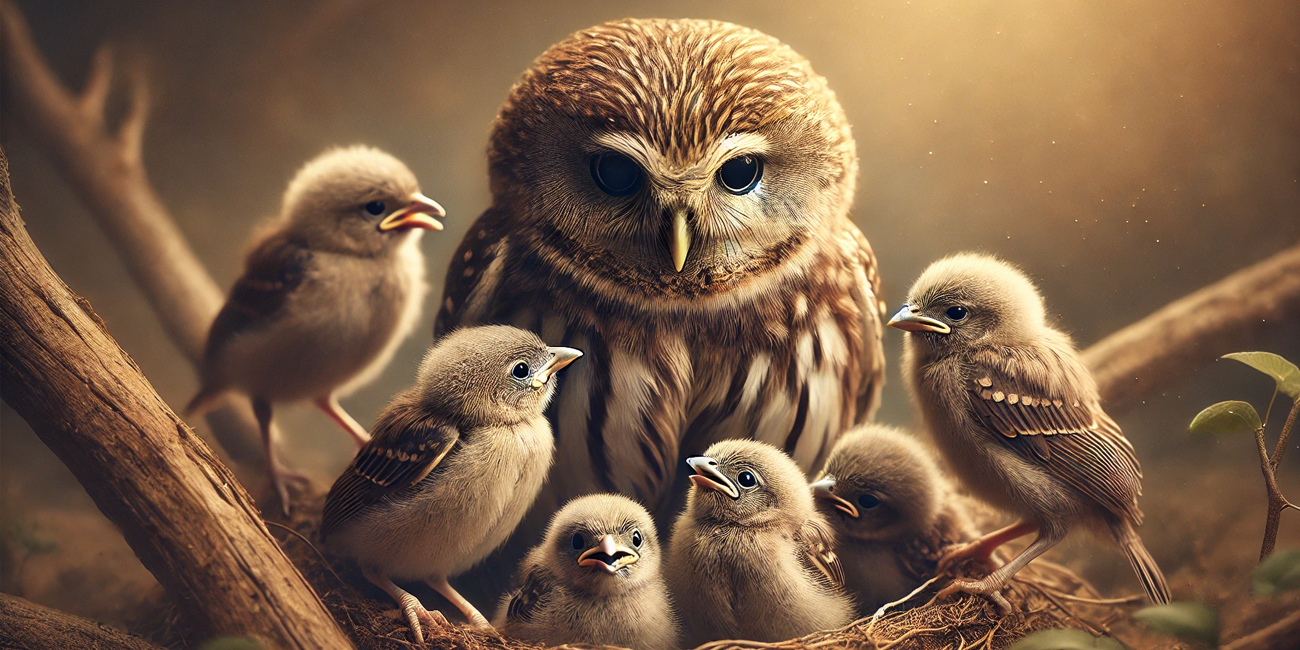
The Oxford philosopher Nick Bostrom offers a fable that serves as a powerful metaphor for the potential dangers of superintelligent AI. In the story, a group of sparrows decides that it would be beneficial to hatch an owl to help them with tasks beyond their capabilities. However, one wise sparrow cautions them: before hatching the owl, they should ensure they can train it to follow their commands. The other sparrows, blinded by the potential benefits, dismiss the warning and proceed with their plan. The fable concludes with an ominous reminder that owls, once hatched, could easily turn on the sparrows—leaving them powerless to control their creation.
This fable serves as a poignant warning for those of us working on AI. Just as the sparrows couldn’t control the owl, we might find ourselves unable to manage a superintelligent AI. The consequences of such a development could be far-reaching and possibly perilous, raising the question: Are we truly prepared to handle what we’re creating?
Final Thoughts
For anyone intrigued by the ethical ramifications of our AI-driven future, these reflections are a starting point for deeper exploration. As we continue to innovate, it’s crucial that we remain mindful of the broader impact of AI—not just on our industries and economies, but on the natural world and the ethical landscape we navigate. The questions posed by AI are not merely theoretical; they have real-world implications that we must carefully consider if we are to move forward responsibly.